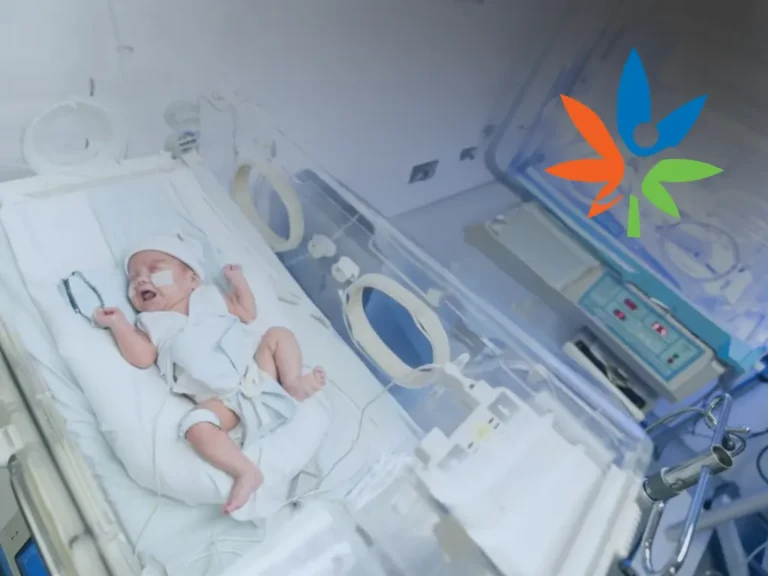
The Transition From Hospital to Home
Hospital discharge is often viewed as the end of a child’s hospital stay, but for many families, it marks the beginning of an important period of recovery. The change from receiving around-the-clock medical care to recovering at home can introduce new responsibilities and challenges for both children and their caregivers. This is especially significant for pediatric patients who continue to have healthcare needs after leaving the hospital.
When families do not have the resources necessary to manage those needs, the risk of returning to the hospital may increase. Pediatric home healthcare offers an opportunity to extend healthcare beyond the hospital setting and provide families with assistance during recovery. Incorporating home healthcare into pediatric discharge planning may therefore be an important strategy for reducing preventable hospital readmissions.
Challenges After Discharge
One of the major challenges following pediatric hospitalization is ensuring that families are prepared to manage a child’s care after discharge. Children with medical complexity may require multiple medications, feeding tubes, oxygen, medical equipment, follow-up appointments, or other forms of specialized care at home.
A study of families of children with medical complexity found that many experienced at least one challenge during the first week following hospital discharge. Reported concerns involved the child’s health, medications, medical equipment and supplies, follow-up appointments, home nursing, and discharge instructions.
These findings show that receiving discharge instructions does not necessarily mean that every family will be able to carry out the care plan without additional difficulties. When problems arise after discharge, having healthcare assistance available outside of the hospital may provide families with another opportunity to resolve concerns before they contribute to a return visit.
Continuity and Coordination After Hospitalization
Another important benefit of pediatric home healthcare is the continuity and coordination it can provide after hospitalization. Children with medical complexity often receive care from several professionals and may require skilled nursing services in the home. However, obtaining those services can present challenges of its own.
Access to home healthcare can affect a child’s transition out of the hospital, as shortages of pediatric home nursing have been linked to delayed discharge among children with complex medical needs. This finding demonstrates how closely home healthcare is connected to a child’s ability to transition out of inpatient care.
The article Commentary: Current State of Home Health in Children with Medical Complexity also identifies nursing shortages, limited funding, and differences in state policies as continuing barriers to pediatric home healthcare. When approved services cannot be staffed, families may be left to manage more of the child’s care without the professional support that was expected.
Home health professionals can reinforce treatment plans, assist families with complex care routines, and communicate relevant concerns to the child’s providers. When home-based services are available as planned, families are better positioned to carry out the care that was established during hospitalization instead of attempting to navigate a complicated healthcare plan on their own.
Communication and Family Support
Clear communication between the hospital, family, and home healthcare provider is also important. Families need enough time to understand the discharge plan and ask questions before leaving the hospital. Language barriers or limited access to interpreter services can make this process more difficult.
When professional home healthcare is unavailable, additional responsibility often falls on parents and caregivers. This can increase stress and make it more difficult to balance the child’s care with work and other family responsibilities.
Home Healthcare and Readmission Risk
The effect of home healthcare becomes particularly important when examining pediatric readmissions. Home healthcare professionals may notice changes in a child’s condition, reinforce the treatment plan, and communicate concerns to the child’s providers. Addressing these concerns early may help prevent some problems from becoming serious enough to require another hospital visit.
Research on pediatric home healthcare remains limited, and more pediatric-specific quality measures are needed to better understand its effect on hospital readmissions and other outcomes.
Preventing repeated hospitalization can reduce disruptions to a child’s routine and family life while also limiting the emotional and financial strain associated with returning to the hospital. The role of home-based care supports its inclusion as part of broader efforts to reduce pediatric readmissions.
Supporting Recovery at Home
Together, these findings suggest that home healthcare should be viewed as more than an optional service following hospitalization. Expanding access to qualified pediatric home healthcare professionals and incorporating home-based services into discharge planning could help families manage complex care more effectively while allowing more children to continue their recovery at home.
Improving staffing, communication, and access to pediatric home healthcare can strengthen the transition from hospital to home. Strengthening pediatric home healthcare can therefore be an important part of improving patient outcomes and reducing preventable hospital readmissions.