What advances in pediatric vaccines could mean for children with complex medical needs
For generations, vaccines have helped protect children from serious illness. Now, researchers are exploring how the next generation of pediatric vaccines could become even more precise, designed with a deeper understanding of age, immune response, genetics and individual health needs.
What if future pediatric vaccines could be even more precise?
Researchers are now exploring how differences in age, genetics, immune system development and underlying medical conditions influence the way children respond to vaccines. This growing field of research is known as precision vaccinology. It aims to build on today’s successful vaccines by developing even smarter approaches to disease prevention.
What is precision vaccinology?
Just as every child is unique, every immune system is unique. Although most children develop strong protection after vaccination, researchers have discovered that immune responses naturally vary from person to person. Some children develop higher levels of protective antibodies, while others may have a different immune response despite receiving the same vaccine.
Just like every child has a unique personality, fingerprint and genetic makeup, every immune system is unique as well. Several factors may influence how a child’s immune system responds, including age, genetics, prematurity, underlying medical conditions, nutrition and even previous exposure to certain viruses or bacteria.
This doesn’t mean pediatric vaccines aren’t effective. Instead, these discoveries have inspired researchers to ask an important question: Can we better understand these differences to develop even more effective vaccines in the future?
Precision vaccinology is an emerging field of research that seeks to understand these differences and use that knowledge to develop vaccines that are even more effective for different populations. The goal is to build on today’s successful vaccines by designing future vaccines that provide the best possible protection for children with a wide range of health needs, including those children with complex medical conditions.
How researchers are rethinking vaccine design
For many years, vaccine development has focused on creating safe and effective vaccines that protect large populations. While this approach has been tremendously successful, researchers are now exploring ways to make future vaccines even more precise.
One exciting area of research focuses on age-specific vaccine design. Scientists have discovered that the immune system changes dramatically throughout life. A newborn’s immune system is still developing, while older children and adolescents have much more mature immune responses.
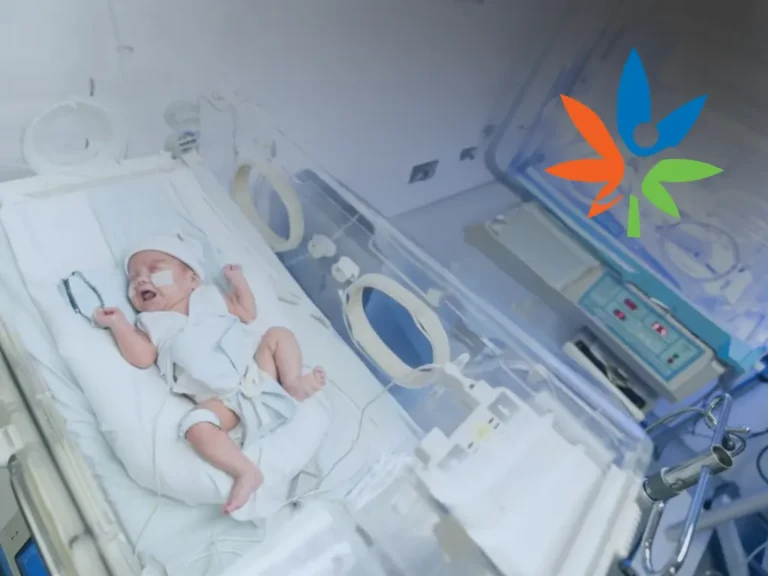
Premature infants also have unique immune needs because they are born before their immune systems are fully developed. Researchers are studying how vaccines can be optimized for each stage of life. This includes investigating different vaccine formulations, ingredients called adjuvants that help strengthen the immune response and delivery methods that may provide the best protection for newborns, infants, children and adolescents.
Learning from genetics
Another exciting area of research focuses on genetics. Scientists have discovered that small genetic differences can influence how the immune system recognizes viruses and bacteria, as well as how strongly it responds to vaccination.
To study this, researchers collect blood samples from volunteers before and after vaccination and analyze how their immune systems respond at a molecular level. They look at specific genes involved in immune function, such as those that control how immune cells recognize threats or produce antibodies. They then compare these patterns across large groups of people.
By combining genetic data with information about age, health status and vaccine outcomes, researchers can begin to identify patterns that explain why some individuals develop stronger or longer-lasting immunity than others. In the future, this knowledge could help guide vaccine design for different populations and improve protection for children with complex medical needs.
Using artificial intelligence to speed discovery
Artificial intelligence is helping researchers analyze millions of pieces of data to identify patterns that would be nearly impossible to recognize manually.
By combining information about genetics, immune responses, age and vaccine performance, AI can help scientists identify promising vaccine candidates more quickly and improve how future vaccines are designed.
While every vaccine must still undergo extensive laboratory testing and clinical trials, these technologies are helping researchers accelerate discovery and bring new innovations to pediatric medicine.
What does this research into pediatric vaccines mean for families today?
Although precision vaccinology is still an emerging field of research, it represents an exciting shift in the way scientists think about disease prevention. Instead of asking, “How can we create one vaccine that works for everyone?” researchers are beginning to ask, “How can we make vaccines work even better for different populations with different immune needs?”
For families of children with complex medical needs, this research highlights the growing movement toward more personalized medicine. Although these discoveries are still being studied, they may one day influence how vaccines and other preventive therapies are developed for children with different health conditions.
As with any medical advancement, families should discuss questions about vaccines and their child’s individual healthcare needs with their pediatrician or medical specialists.
If you have any questions about how Atlanta Pediatric Healthcare can support you and your child, we invite you to contact us today.