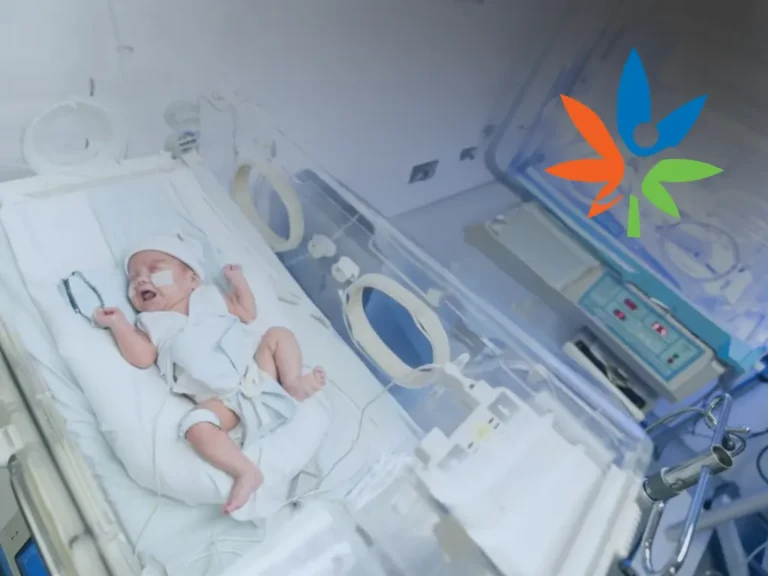
When a child is diagnosed with a serious or life-limiting illness, the focus extends beyond treating the disease. Families often need emotional support, symptom management, guidance through complex medical decisions, and help coordinating care. Pediatric palliative care and hospice care were developed to meet these needs by improving quality of life for children and their families throughout the course of illness.
Understanding Pediatric Palliative Care
Pediatric palliative care is specialized medical care that focuses on improving quality of life by preventing and relieving suffering. Unlike hospice care, palliative care can begin at the time of diagnosis and may be provided alongside treatment intended to cure or manage the child’s illness. Care addresses physical symptoms while also supporting the emotional, social, and spiritual needs of the patient and family.
An interdisciplinary healthcare team works together to ensure care is centered on the goals and preferences of the child and family. Parents and physicians do not need to wait until treatment has ended or a crisis occurs to request a palliative care consultation.
Pediatric Hospice Care
Hospice care is a form of palliative care for children with a terminal illness. Eligibility generally requires a physician to certify that the child has a life expectancy of six months or less if the illness follows its expected course. Hospice services are commonly provided in the child’s home but may also be delivered in hospitals, inpatient hospice facilities, and other healthcare settings.
Concurrent Care: A Unique Benefit for Children
One important difference between pediatric and adult hospice care is the availability of concurrent care. Under the Affordable Care Act, eligible children under age 21 who receive hospice through Medicaid or the Children’s Health Insurance Program may continue receiving medically necessary treatment for the terminal condition while enrolled in hospice. This policy allows families to receive hospice support without giving up treatment that may benefit their child.
Services Provided
Pediatric palliative and hospice programs provide services designed to improve quality of life for patients and families. Services vary by program and may include:
Pediatric palliative and hospice care play an essential role in supporting children with serious illnesses and their families. These services extend beyond medical treatment by providing physical and emotional support throughout the child’s healthcare journey. Early discussions can help families understand their options and make decisions that reflect the child’s needs and the family’s goals.